First Year: Further Research on Final Stimulus.
After choosing my final idea and stimulus, I've looked into more research to help me come up with a clear plan when it comes to choreographing specific movements.
I have looked into sleeping disorders as it was suggested in my 1-1 and I was interested straight away. With further research, I found REM sleep behavior disorder which links to my first idea as it includes REM (rapid eye movement). The symptoms consist of movements such as kicking, punching, arm flailing and jumping out of bed to response to action-filled or violent dreams, for example; being chased or defending yourself from an attack, noises such as shouting, laughing, talking and even crying.
I think the symptoms will work successfully for my piece as I can incorporate them into my choreography to make my final idea easy to understand and to make it as clear as possible for the audience.
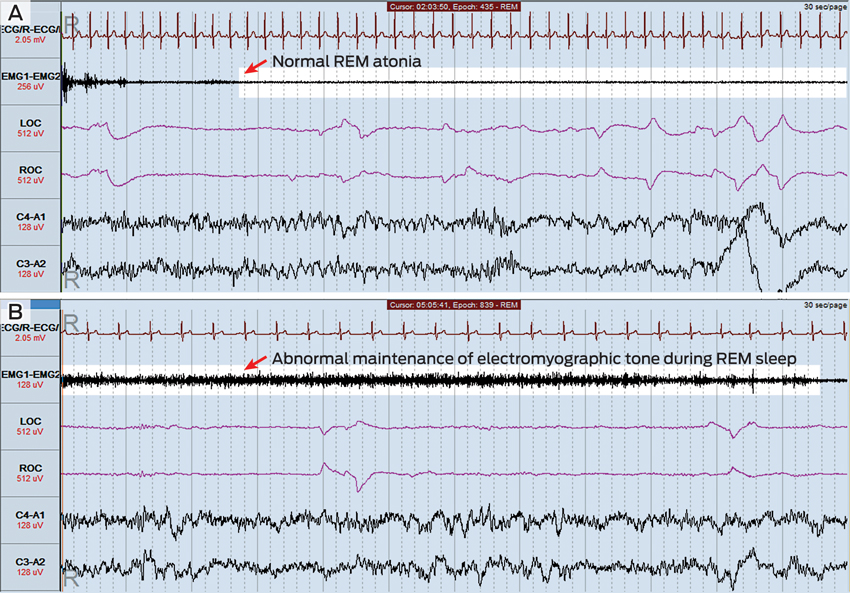
Whilst researching this disorder, I came across recordings of what happened to a patient who underwent a overnight laboratory-based polysmnography which is a sleep study. Polysmnography records the brain waves, the oxygen level in your blood, heart rate and breathing.
After seeing this recording, I thought that I could use the patterns of the polysmnography in my piece and use it as perhaps the levels of my movement whether its floor-work or jumping and using height or it could perhaps be my overall floor path of my solo. A previous creative task we took part in was creating a phrase from patterns or use the patterns as the pathway, so this is very beneficial when it comes to choreographing my own piece.
I think this idea will be successful as I feel like it is a unique and different way of seeing this study and I think it will link strongly to my final idea.
I am still in decision whether to show a dream in my choreography and include the symptoms from the disorder or to stick with the sleep disorder overall which I think I will decide in my next choreography lesson.
Bibliography:
https://www.mayoclinic.org/diseases-conditions/rem-sleep-behavior-disorder/symptoms-causes/syc-20352920
https://www.mja.com.au/journal/2014/200/8/rapid-eye-movement-behaviour-disorder
I have looked into sleeping disorders as it was suggested in my 1-1 and I was interested straight away. With further research, I found REM sleep behavior disorder which links to my first idea as it includes REM (rapid eye movement). The symptoms consist of movements such as kicking, punching, arm flailing and jumping out of bed to response to action-filled or violent dreams, for example; being chased or defending yourself from an attack, noises such as shouting, laughing, talking and even crying.
I think the symptoms will work successfully for my piece as I can incorporate them into my choreography to make my final idea easy to understand and to make it as clear as possible for the audience.
Whilst researching this disorder, I came across recordings of what happened to a patient who underwent a overnight laboratory-based polysmnography which is a sleep study. Polysmnography records the brain waves, the oxygen level in your blood, heart rate and breathing.
After seeing this recording, I thought that I could use the patterns of the polysmnography in my piece and use it as perhaps the levels of my movement whether its floor-work or jumping and using height or it could perhaps be my overall floor path of my solo. A previous creative task we took part in was creating a phrase from patterns or use the patterns as the pathway, so this is very beneficial when it comes to choreographing my own piece.
I think this idea will be successful as I feel like it is a unique and different way of seeing this study and I think it will link strongly to my final idea.
I am still in decision whether to show a dream in my choreography and include the symptoms from the disorder or to stick with the sleep disorder overall which I think I will decide in my next choreography lesson.
Bibliography:
https://www.mayoclinic.org/diseases-conditions/rem-sleep-behavior-disorder/symptoms-causes/syc-20352920
https://www.mja.com.au/journal/2014/200/8/rapid-eye-movement-behaviour-disorder
You have made a good start researching behind your final idea. You have clearly described what the piece will be about and have used research to give depth and greater understanding behind your idea. Within your post, please highlight the research you have undertaken and ensure to reference this within your writing. Discus how your observations will influence your piece and enhance your creative work as you move forward. I would say that the post currently sits around the 3:1 mark; if you wish to increase this towards a 2:1, you should consider the quality of your sources, thinking outside the box to incorporate further primary sources within your work. Think about how you can further your research to develop your idea as well as the movement and characteristics of your creative piece. It is important that you remember to reference your research. Please include a bibliography.
ReplyDeleteThankyou Miss Norman.
DeleteMy bibliography has been inserted above.
Very interesting research. Which route did you choose in the end? The portrayal of a dream or a study of REM sleep as a whole? And what lead you to your decision?
ReplyDeleteI included a bit of both honestly.
DeleteMy piece has a number of section which all links together.
Firstly, its SWS which is the first stage of sleep which occurs in the first few minutes of sleep. Then REM which comes second which then links to the sleep disorder.
This follows on to the graph and portraying the graph by movement and this finally leads to the dream which includes the symptoms of the disorder itself.